Bulletin

Bulletin

Sri Lanka apparel sector makes strong showing at Source Fashion London 2026

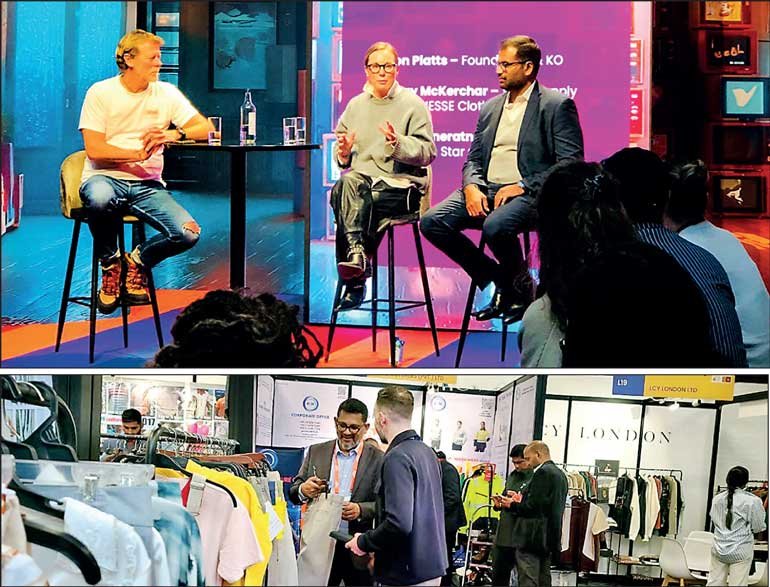
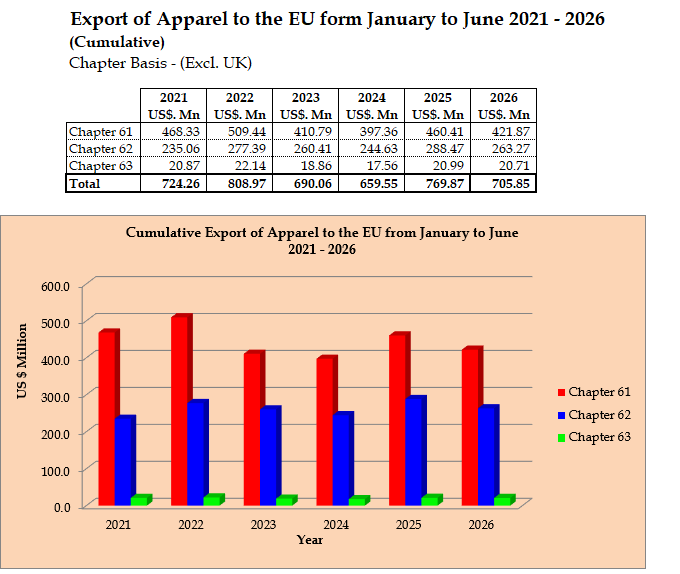
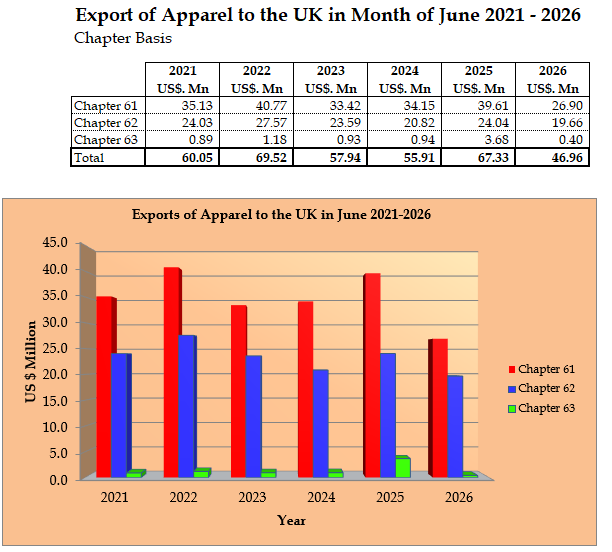
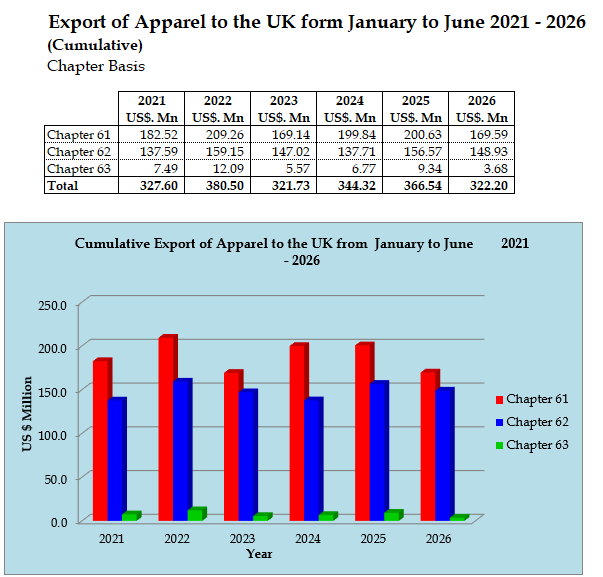
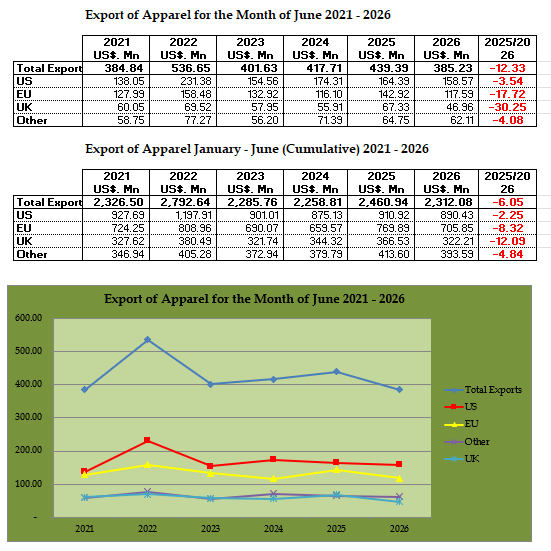
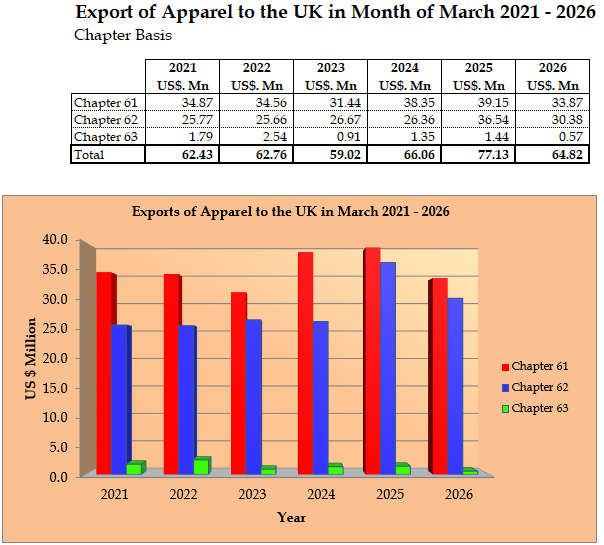
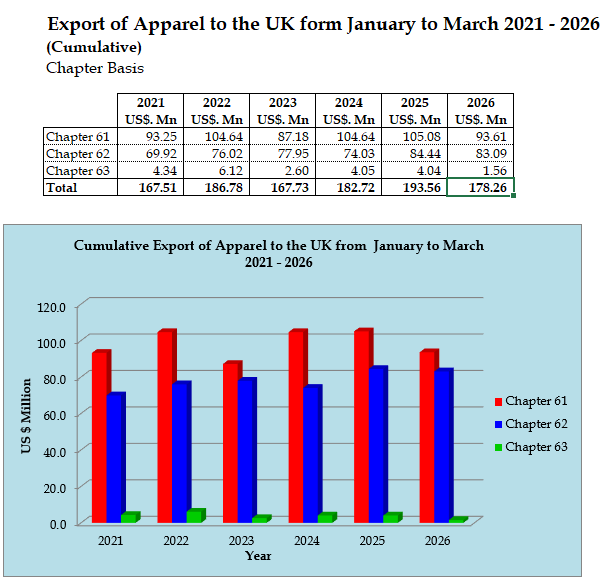
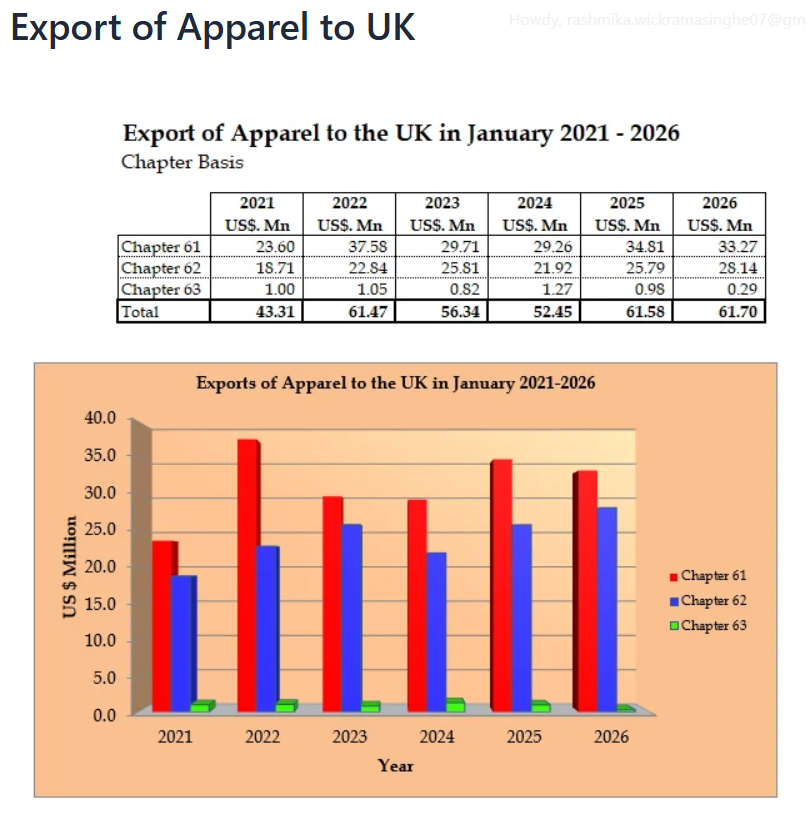
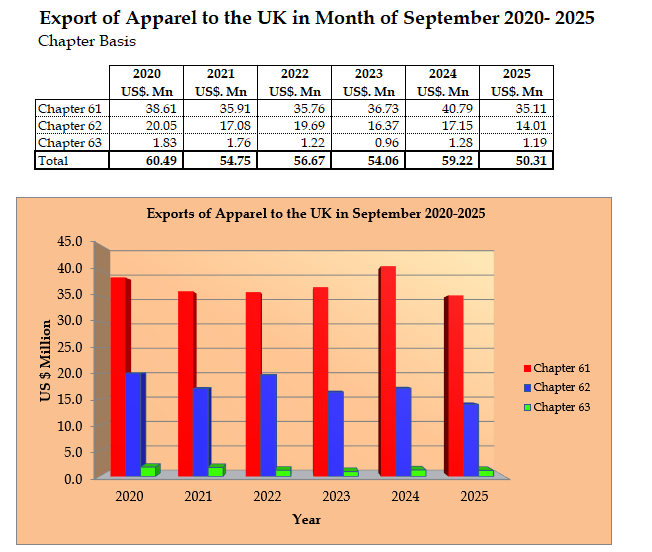
Sri Lanka’s apparel industry made a strong and impactful presence at Source Fashion London 2026, held from 13 to 15 January at Olympia London, reinforcing the country’s position as a reliable and competitive global sourcing destination. The Sri Lanka Pavilion, comprising 20 stalls and featuring leading apparel manufacturers including 12 small and medium-scale enterprises (SMEs), was organised by the Sri Lanka Export Development Board (EDB) in collaboration with the Sri Lanka High Commission in the UK. The initiative aimed to identify new buyers and strengthen Sri Lanka’s apparel exports to the UK market. The participation was particularly significant as Sri Lankan garment exports gained duty-free access to the UK market from 1 January 2026. Under the newly liberalised trade framework, Sri Lankan manufacturers are now permitted to source up to 100% of inputs from any country worldwide while continuing to enjoy duty-free entry into the UK.  The revised rules remove earlier constraints, including the requirement for two substantial manufacturing processes to be carried out locally, thereby enhancing flexibility, competitiveness, and cost efficiency for exporters. The exhibition was ceremonially inaugurated on 13 January, with a ribbon-cutting ceremony at the Sri Lanka Pavilion attended by Sri Lankan High Commissioner to the UK Nimal Senadheera, UK Trade Envoy to Sri Lanka Lord Hannett of Everton, and EDB Board Director Binupa Liyanage, along with invitees, Sri Lankan exhibitors, and officials from the High Commission and the EDB. The pavilion showcased exhibitors from the apparel, textile, and accessories sectors, highlighting Sri Lanka’s diverse manufacturing capabilities and strong adherence to international quality, ethical, and sustainability standards. A dedicated stall promoting Creative Sri Lanka 2030 was also featured, providing a platform for five Sri Lankan creative industry brands to display their products. The initiative underscored Sri Lanka’s innovation, craftsmanship, and design excellence while creating new opportunities for creative sector brands to engage with international buyers. A key highlight of the event was the unveiling of Sri Lanka’s National Export Brand, “Your Vital Island,” on the opening day. Built on the core values of sustainability, competence, and authenticity, the brand represents the essence of Sri Lanka’s export offerings and marked a significant milestone for the national export sector. In addition to the main exhibition, several parallel events—including catwalk sessions, panel discussions, and guest speaker forums—added further vibrancy. Selected products from Sri Lankan companies were featured in catwalk shows, offering enhanced visibility among international buyers and fashion industry stakeholders. Demonstrating Sri Lanka’s readiness to meet the evolving demands of the global apparel industry, Star Garments Ltd., Director Operations and Sri Lanka Apparel Exporters Association Deputy Chairman Jeevith Senaratne, participated as a panellist at a discussion titled “Intelligent Fashion – Using AI to Design, Plan, and Produce Better.”  He highlighted Sri Lanka’s forward-looking approach and growing adoption of advanced technologies in apparel manufacturing. As the apex organisation for export development and promotion, the EDB continues to pursue innovative strategies to strengthen Sri Lanka’s global market presence.  The country’s successful participation at Source Fashion London 2026 reflects this commitment, with a clear focus on expanding apparel exports to the UK by leveraging the UK Developing Countries Trading Scheme (DCTS) and positioning Sri Lanka as a sustainable, ethical, and competitive sourcing destination.

Bulletin

UK Liberalizes DCTS Rules, Boosting Sri Lanka’s Apparel Exports

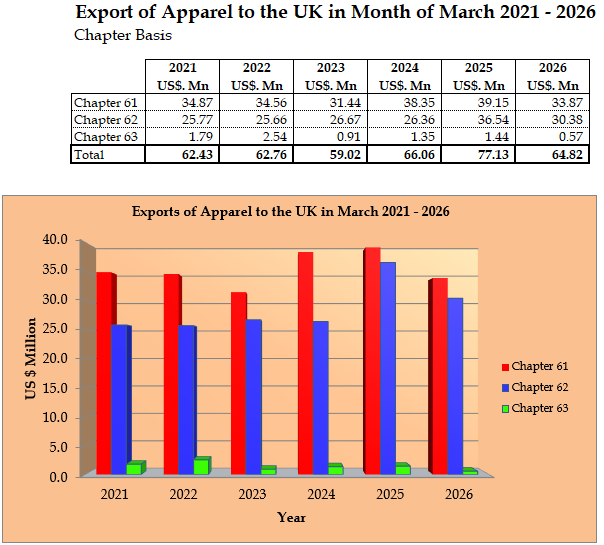
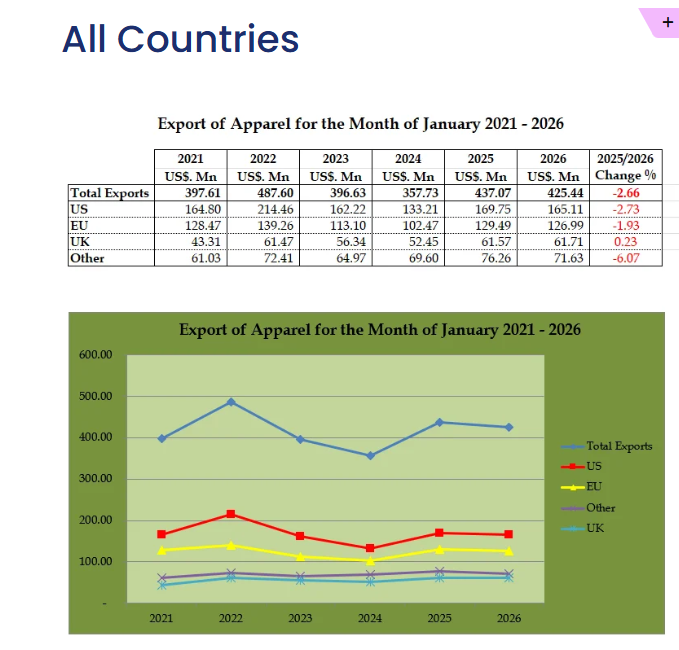
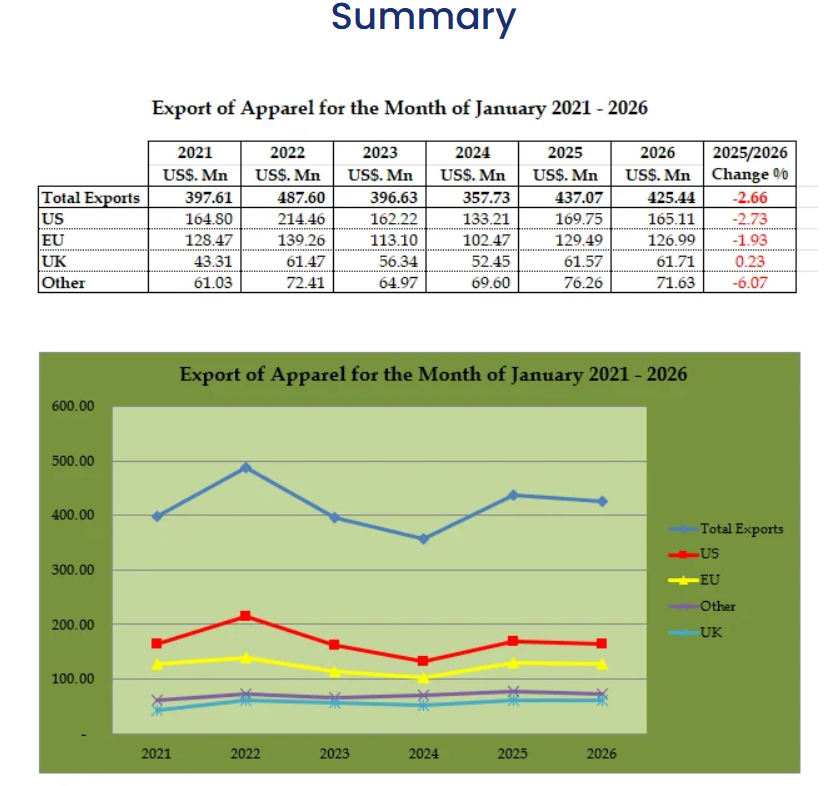
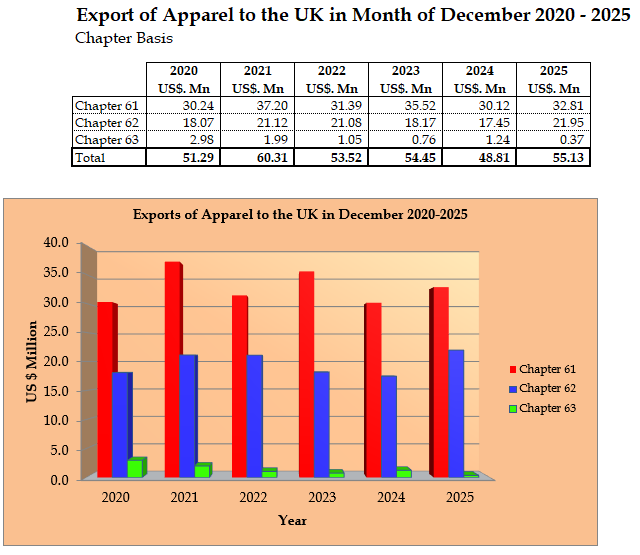
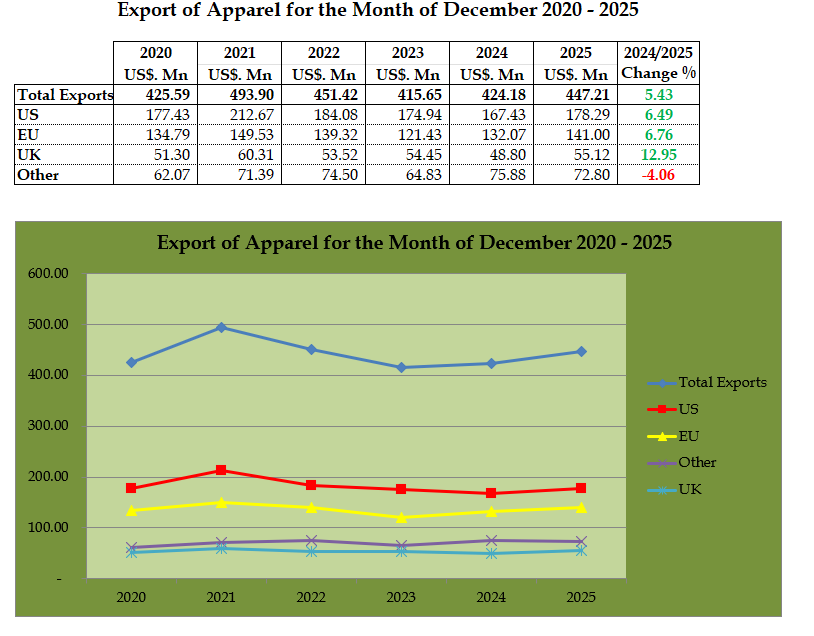
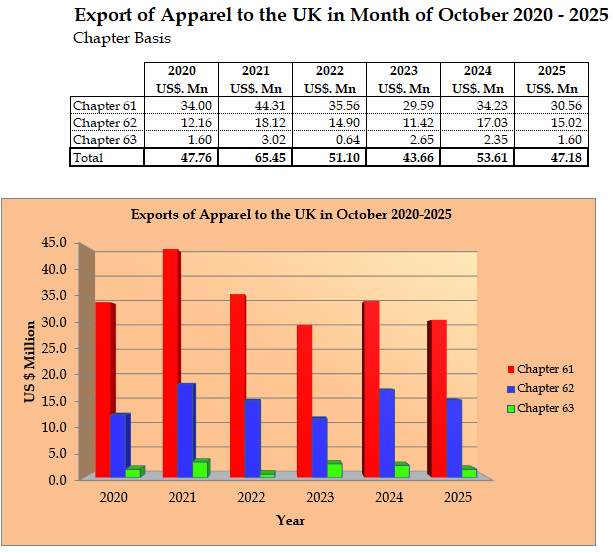
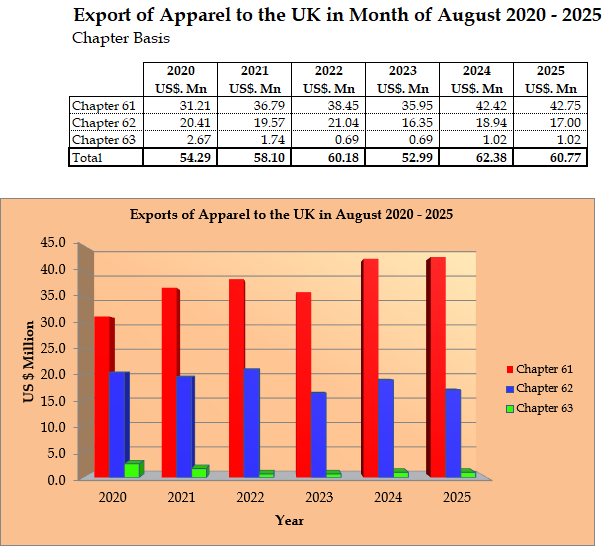
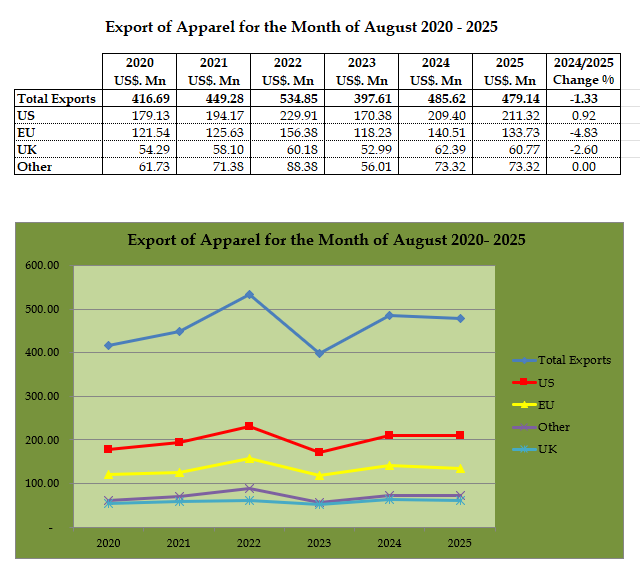
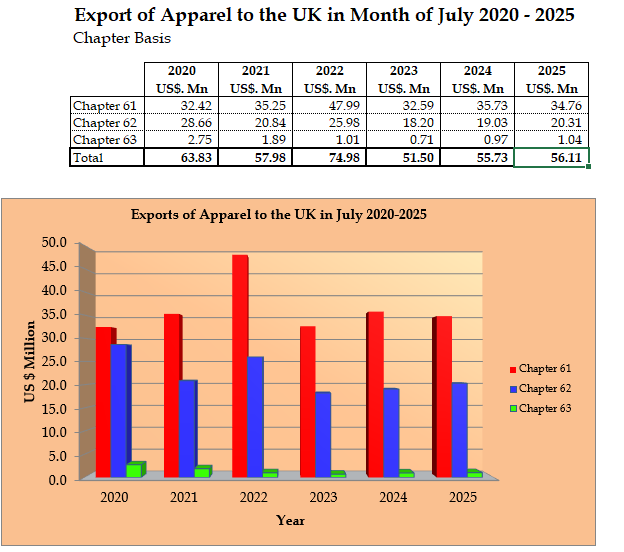
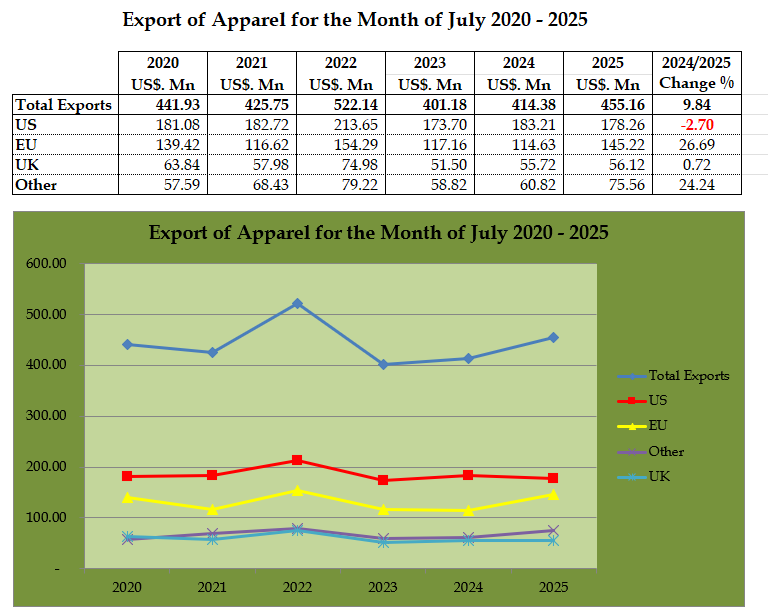
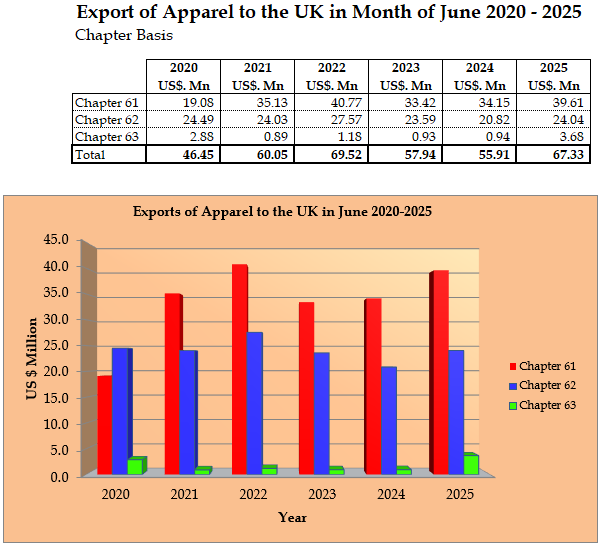
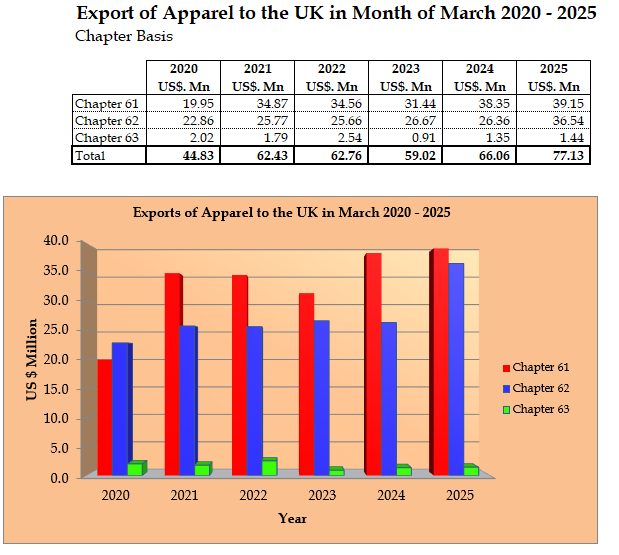
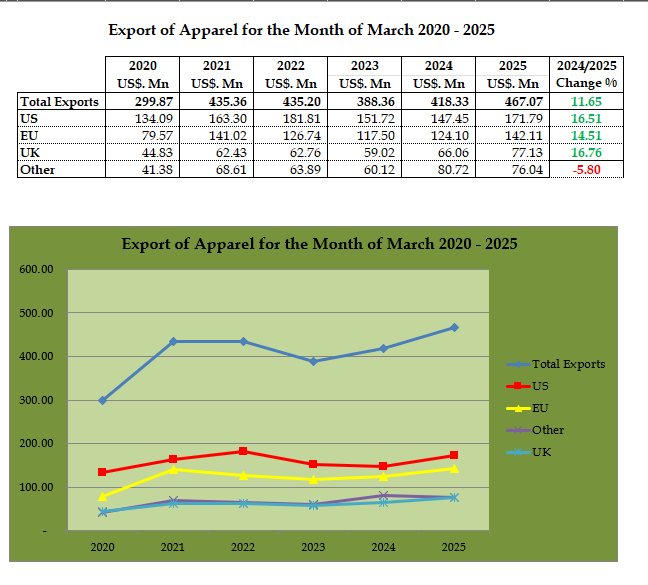
The United Kingdom has granted a major trade advantage to Sri Lanka’s apparel sector by further liberalising the rules under its Developing Countries Trading Scheme (DCTS), significantly strengthening Sri Lanka’s competitiveness in the UK market. The UK, Sri Lanka’s second-largest export destination, introduced the DCTS on 19 June 2023 to provide preferential market access to 65 developing countries, including Sri Lanka. Under the scheme, more than 92% of Sri Lanka’s product lines qualify for duty-free access to the UK market. The benefits of the DCTS were further enhanced with the implementation of liberalised rules of origin from 1 January 2026. Under the revised framework, Sri Lankan apparel manufacturers are now allowed to source up to 100% of their raw materials globally while continuing to enjoy zero-tariff access for garment exports to the UK. This change offers greater supply chain flexibility, improved cost efficiency, and enhanced production competitiveness. Sri Lanka’s apparel exports to the UK were valued at approximately USD 660 million in 2024 and around USD 610 million during January–December 2025. Apparel accounts for nearly 73% of Sri Lanka’s total exports to the UK, highlighting the significance of the revised DCTS rules for export earnings and industrial growth. Another key improvement under the revised scheme is the simplification of processing requirements, including the removal of the earlier condition that two substantial manufacturing processes must take place in Sri Lanka. These streamlined rules are expected to ease compliance and further strengthen the position of Sri Lankan apparel exporters in the UK market. Beyond apparel, the revised DCTS also benefits other export sectors. Sri Lankan manufacturers can now source inputs from the Asia Regional Cumulation Group, comprising 18 countries, while still treating such inputs as originating in Sri Lanka for DCTS preferences. This expanded cumulation facility allows exporters greater sourcing flexibility while retaining preferential tariff benefits. The liberalised DCTS framework positions Sri Lanka to integrate more actively into UK and global supply chains, supporting export diversification, sustainable economic growth, employment generation, and stronger free and fair trade relations between the two countries. In this context, Chairman and Chief Executive Officer of the Sri Lanka Export Development Board, Mr. Mangala Wijesinghe, and British High Commissioner to Sri Lanka, Mr. Andrew Patrick, recently held discussions on the enhanced trade opportunities arising from the revised DCTS. The talks also focused on Sri Lanka Expo 2026 and upcoming brand promotion initiatives aimed at strengthening Sri Lanka’s presence in the UK market. These engagements reaffirm the commitment of Sri Lanka and the United Kingdom to deepen bilateral trade relations and further position Sri Lanka as a reliable and competitive trading partner.

Bulletin

ANNOUNCEMENTS MADE IN THE UK TRADE STRATEGY – TRADE FOR DEVELOPMENT

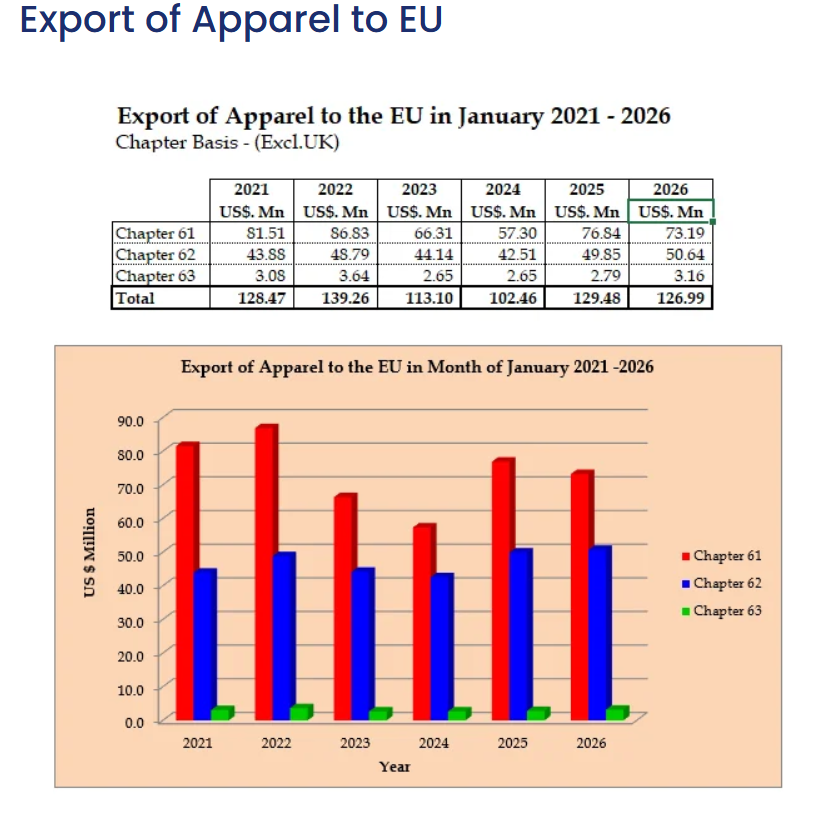
Following the launch of the Trade Strategy in June 2025, the UK Government has committed to deepenits trade and development offer to developing countries (see P89-91). This document provides somefurther details. Improvements to the Rules of Origin of the DCTSThe changes outlined below are expected to come into effect in early 2026. 1) New regional cumulation groups for Africa and Asia to support intra-regional trade: We will establish a new Africa regional cumulation group comprising 50 countries. DCTS countrieswithin this group will be able to cumulate with other DCTS countries. In addition, one-waycumulation will be permitted with Economic Partnership Agreement (EPA) countries, as well asMorocco, Tunisia, and Egypt (countries with which we have an Association Agreement). The existing South Asia and Southeast Asia cumulation groups will be merged and expanded toinclude six additional countries from the region. These enhancements will enable countries in the Enhanced Preference tier to source inputs fromtheir respective regions, supporting intra-regional trade. 2) Liberalised Rules of Origin for garment exports from Low and Lower-Middle Income Countries (theEnhanced Preference tier) We will liberalise product specific rules for garments from the 16 Enhanced Preference Low Incomeand Lower-Middle Income Countries in the Scheme. This will allow them to source between 47.5%and 100% of input from another country for further manufacture, and reduce the number ofprocessing requirements (printing, bleaching, dyeing etc). There are two main beneficiaries to these changes – Enhanced Preference countries, and LeastDeveloped Countries soon to graduate to this tier. Other improvements to the UK’s Trade for Development Offer Trade in Services: We will work to maximise two-way trade in services, consulting withgovernments and businesses on how to use our EPAs and other interventions to promote servicestrade, and making more information available on preferential services market access for LDCs. Wehave also announced the intention to scope a digital trade agreement with Kenya. Support for Developing Countries Exports: We will partner with developing countries to increaseexports from into the UK, boosting their economic growth and helping British businesses to meettheir imports needs. Trade Centre of Expertise (COE): The Prime Minister announced the launch of the Trade COE at theCommonwealth Heads of Government Meeting (CHOGM) in Samoa, October 2024. Building ondecades of experience through our Aid for Trade programmes, the Trade COE has been designed toincrease trade from and between developing countries to boost export-led growth and reducepoverty. It will provide technical assistance to governments and businesses in developing countriesto enable them to overcome the barriers to trade, to compete in global markets and to make theglobal trade rules work for developing countries. It also supports implementation of the DCTS andthe EPAs.

Bulletin

Trump’s Tariffs Hit Garment Makers in Bangladesh and Sri Lanka Hard

Employees sew garments inside a garment factory in Katunayake, near Colombo, Sri Lanka.Credit…Thilina Kaluthotage/ReutersThrough Covid, political chaos, and economic disarray, Sri Lanka and Bangladesh kept one industry central to their hopes of prosperity afloat: the manufacturing of ready-made garments, with the United States as their main market. Then came President Trump’s tariffs. The two countries are reeling after Sri Lanka was hit with 44 percent tariffs and Bangladesh subjected to 37 percent levies. Officials in both countries scrambled to contain panic among business leaders, who worried that they may no longer be able to compete with bigger manufacturing powers, and that their orders could shift to places with lower tariffs and greater industrial muscle. “We will have to write our obituary notice,” said Tuli Cooray, a consultant at the Joint Apparel Association Forum of Sri Lanka, an industry association. “Forty-four percent is no joke.” The Trump administration’s tariffs have hit countries at the heart of the global apparel industry especially hard. An analysis by William Blair, an equity research firm, showed that the countries that produce 85 percent of U.S. apparel imports faced an average tariff of 32 percent. Targeting the manufacturers not only upends the economies of these nations, but also adds to the burden of U.S. companies, analysts warned. William Blair said merchandise costs could go up by about 30 percent and American consumers may ultimately feel the pinch. Bangladesh sends more than $7bn of clothing to the U.S. every year. The country’s garment manufacturing industry makes up 80 percent of its total exports and employs more than four million people, mostly women. Bangladesh has one of the highest female work force participation rates in the region, which has helped lift a large section of the population out of poverty. The garment industry is crucial, as the country tries to stabilize its economy after widespread protests and violence last year toppled its autocratic leader. “Just as the world economy was starting to recover and we were seeing our sales in the U.S. increase, this kind of decision — a trade war, or a tariff war — has now posed a new challenge and uncertainty,” said Mohiuddin Rubel, a former director of the Bangladesh Garment Manufacturers and Exporters Association. “There are many garment factories in Bangladesh that work solely for the U.S. market — some with 80 percent, some even 100 percent. These factories have made large investments just for US orders,” he added. “This decision will put such businesses in danger.” In Sri Lanka, the garment industry employs more than 350,000 people, producing apparel for companies such as Nike and Victoria’s Secret. Garments make up about half of the country’s total exports, and the vast majority go to the U.S. After the country’s economy crashed in 2022, it has been slowly stabilizing with the help of aid from neighbors like India and a bailout from the International Monetary Fund. “We are trying to see if there is space for reduction before implementation on April 9 through discussions, especially considering the difficult situation we are in,” said Anil Jayantha Fernando, Sri Lanka’s deputy minister for economic development.
Bulletin

Sri Lanka’s Apparel industry responds to new U.S. tariffs; Engages Government on way forward

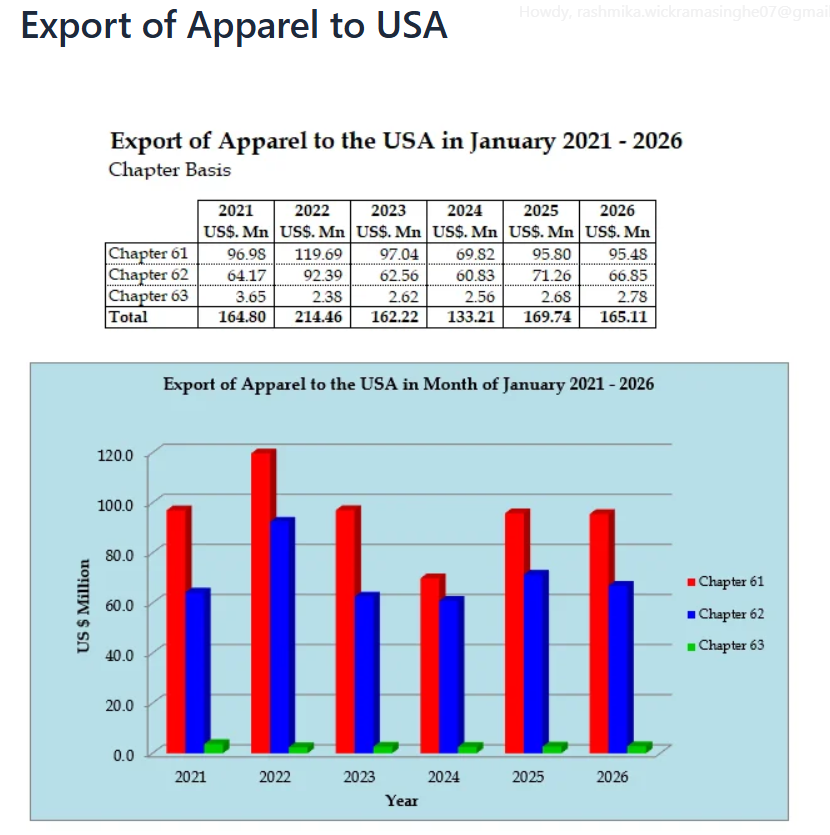
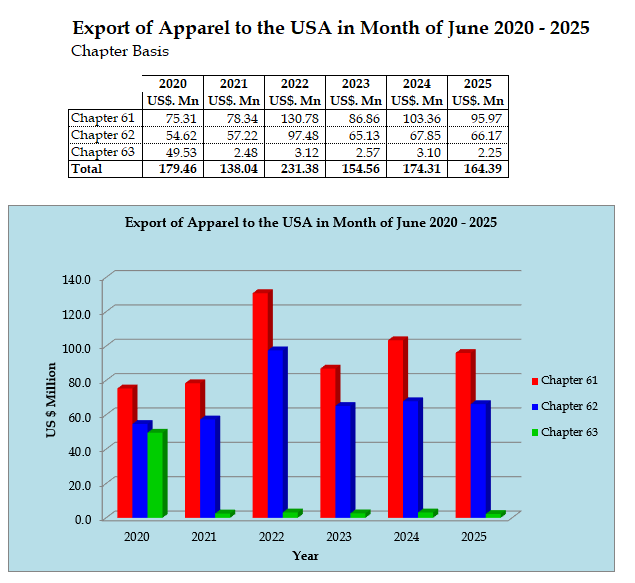
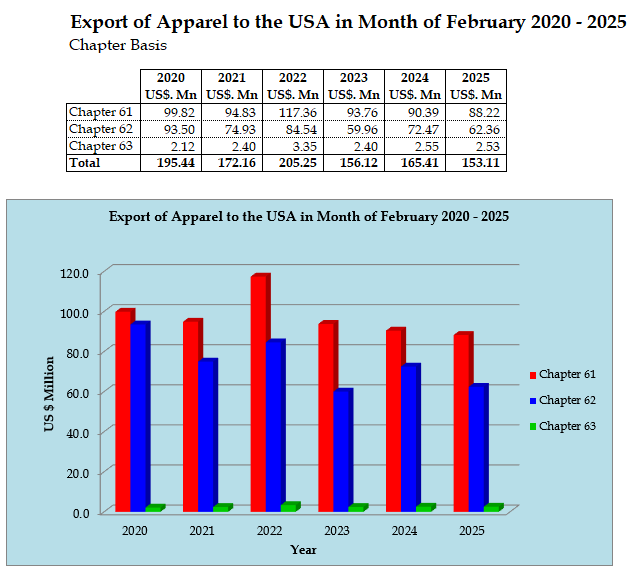
Author LBOPosted on April 3, 2025 | Apparel, Banking and Finance, Companies, Economy & Markets, Featured, Industry, Trade Sri Lanka’s apparel industry has expressed its concern over the Reciprocal Tariff policy announced by the U.S regime earlier today. The new tariffs proposed could significantly disrupt the country’s largest export sector and put thousands of jobs at risk. Following an announcement by U.S. President Donald Trump on April 2, a 10% baseline tariff on all imports will take effect from April 5, increasing to a 44% “reciprocal” tariff on Sri Lankan exports, starting April 9. “This tariff level is extremely high relative to our regional competitors,” said Yohan Lawrence, Secretary General of the Joint Apparel Association Forum (JAAF). “Sri Lanka could very quickly see its share of US business move to countries with lower tariffs than Sri Lanka has”. The United States is Sri Lanka’s largest single-country apparel market, accounting for over 40% of the sector’s total exports, which exceeded USD 5.5 billion in 2023. “With tariffs coming into effect almost immediately, the impact will be swift and severe. Potentially, we could see the bulk of our U.S. business migrate to competitor markets,” Lawrence added. “This volume of business simply cannot be replaced through other markets.” The Government of Sri Lanka has already initiated consultations with the industry and other stakeholders to determine an appropriate course of action. “We are very appreciative of the immediate actions taken by the Government to discuss this situation are working very closely with the authorities to see how best we could address the concerns raised by the US Government, whilst staying within the limitations of Sri Lanka’songoing IMF programme,” said Lawrence. Despite this challenge, the apparel sector remains committed to transparency, ethical production, and sustainable value creation. “Our focus now is on engagement, agility, and ensuring Sri Lanka remains a trusted sourcing destination,” Lawrence said. “However, this situation is serious, and it must be addressed as a matter of national urgency.”
Bulletin

MAS Holdings to gain greater access to growing Indian market with expansions in Odisha, India

MAS Holdings, South Asia’s largest apparel manufacturer, marked a significant milestone in its global expansion by breaking ground for its first facility in the state of Odisha, India. This strategic initiative builds on MAS’ long-standing presence in India while strengthening its regional production capabilities and giving it a strong foothold to access the fast-growing Indian retail market. The ceremony was attended by Suren Fernando (GCEO of MAS Holdings), Malik Ahamadeen (CEO, MAS India), Shakthi Ranatunga (COO, MAS Holdings), Murad Rajudin (CEO MAS Fabric Park) while the Odisha Government was represented by Shri Subhendra Kumar Nayak, OAS, Special Secretary. MAS Holdings plans to begin apparel production at this facility in 2026. The plant will focus on creating value-added apparel products tailored for both the Indian and international markets. This move not only leverages the potential of India’s manufacturing landscape but also builds on MAS’ proven operational excellence long established in Sri Lanka. Once established, these operations are set to benefit the wider MAS group, whose majority workforce is within Sri Lanka, by offering the company access to new markets and stronger regional partnerships driving growth and new business opportunities. Speaking about the investment, Chief Executive Officer of MAS India, Malik Ahamadeen, said “MAS is excited to take this important step in creating a strong apparel ecosystem in the region. This is enabled by our extensive experience in managing holistic apparel industrial zones in Sri Lanka, bringing together key partners along the apparel supply chain.” Speaking at the ceremony Group Chief Executive Officer of MAS Holdings, Suren Fernando, stated that “This investment marks a significant milestone in MAS’ journey, and we are excited to leverage the vast business opportunities the venture presents. India has long been an integral part of our operations, and with 25 years of experience operating in India, we recognize the immense potential of the country’s manufacturing landscape, both for the global supply chain and the rapidly growing domestic retail sector.” Over the next ten years, MAS Holdings plans to develop the 60-acre site working together with its partners to build a fully-fledged apparel hub in Odisha.
Scroll to Top

Be a part of The SLASA Network
Become a Supplier